































































































































Understanding the Fresnel Lens: History, Mechanism, and Applications
The term Fresnel (pronounced fruh-NEL), named after its inventor Augustin-Jean Fresnel, is widely used in the fields of physics, optics, and lighting design. It refers to a unique type of lens or reflector design that offers significant advantages in terms of weight, thickness, and optical efficiency. In this article, we will take a closer look at what a Fresnel is, its history, and its diverse applications.
The History of the Fresnel Lens
Augustin-Jean Fresnel was a French civil engineer who made monumental contributions to the field of optics. In the early 19th century, Fresnel developed a revolutionary type of lens that was substantially thinner and lighter than the massive, traditional glass lenses used in lighthouses at the time. The Fresnel lens was first deployed in a lighthouse in 1823, quickly becoming an indispensable tool for maritime navigation.
How Does a Fresnel Lens Work?
Fresnel lenses and reflectors operate by breaking down a continuous curved lens surface into a series of concentric rings or lines.
The Mechanism: Each individual ring or ridge acts as a separate refracting surface, bending and focusing the light rays toward a single focal point.
The Benefit: By segmenting the lens into these smaller, stepped profiles, a Fresnel lens can eliminate the thick core material of a conventional lens. This allows it to be manufactured much thinner and lighter while maintaining excellent optical performance.
Applications of Fresnel Technology
Because of their unique design, Fresnel lenses and reflectors are utilized across a wide array of industries, including:
Lighthouses: The original application. Fresnel lenses focus and project intense beams of light across vast ocean distances, enabling ships to navigate safely at night.
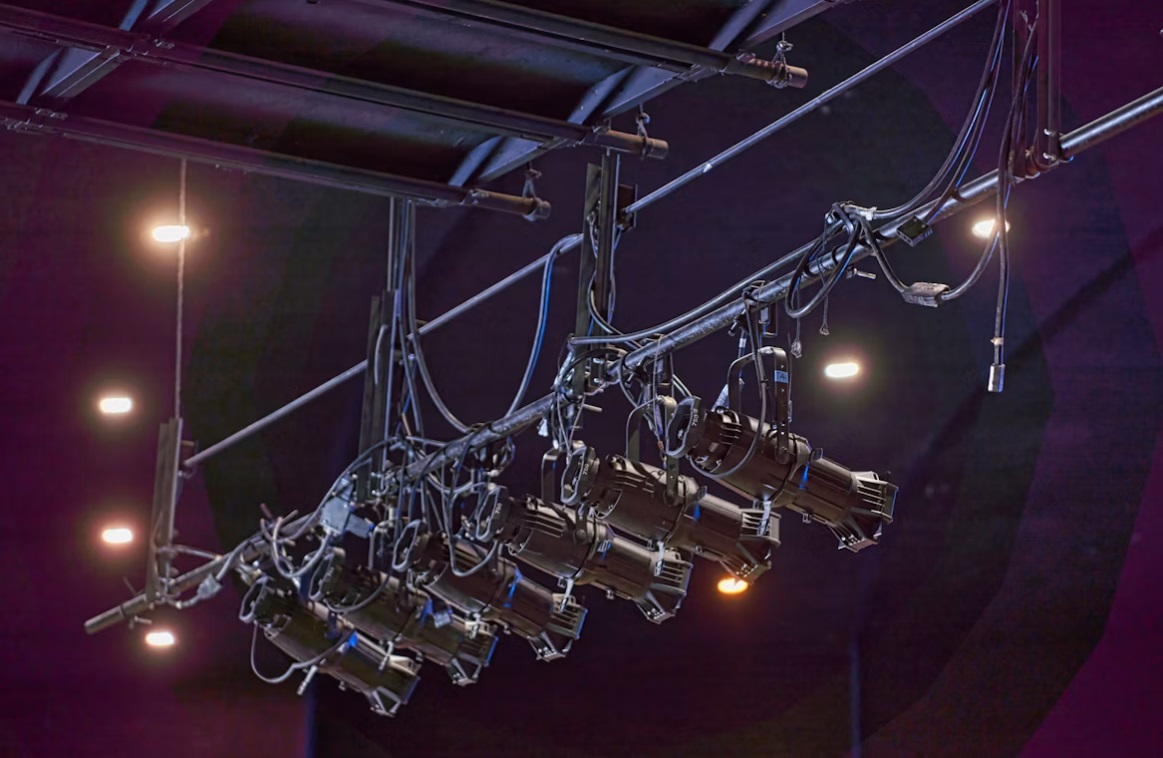
Theatrical and Stage Lighting: Fresnel spotlights are a staple in theater and entertainment lighting, valued for their ability to focus, wash, and easily shape soft-edged pools of light.
Projection Screens: They are used in overhead projectors and vintage rear-projection television screens to straighten and evenly distribute projected images.
Solar Energy: In concentrated solar power (CSP) systems, large Fresnel lenses act as magnifiers to focus vast amounts of sunlight onto a tiny target area, significantly increasing solar energy efficiency.
Medical Equipment: Compact Fresnel lenses are built into specialized medical instruments, such as endoscopes and colonoscopes, to precisely focus and direct light inside the human body.
Key Advantages of Fresnel Technology
Compared to traditional thick glass lenses and heavy reflectors, Fresnel designs offer several distinct advantages:
Weight and Thickness: They are remarkably thin and lightweight, making them much easier to transport, handle, and build into compact devices.
High Efficiency: They gather and redirect light toward a focal point with minimal light loss, optimizing the output of the light source.
Cost-Effectiveness: Because they require significantly less material to manufacture, Fresnel lenses are far cheaper to produce on a mass scale than traditional thick optical lenses.
Versatility: They can be molded out of various plastics or glass, allowing them to be easily customized and scaled to fit a massive variety of design requirements.
Conclusion
The Fresnel lens and reflector system remains a cornerstone innovation across multiple scientific and industrial fields. From safeguarding ships at sea to advancing modern medical diagnostics, this technology has made it possible to control and direct light in ways that were once physically impractical. Thanks to its lightweight profile and exceptional versatility, the Fresnel design will undoubtedly continue to be an essential element of optical and lighting engineering for years to come.