































































































































The Complete Guide to the Handpan: Origins, Acoustics, and Maker Varieties
Summary
The handpan is a modern musical instrument originating in the 21st century. It belongs to the idiophone family, meaning it produces sound through the vibration of the entire body of the instrument itself when struck.
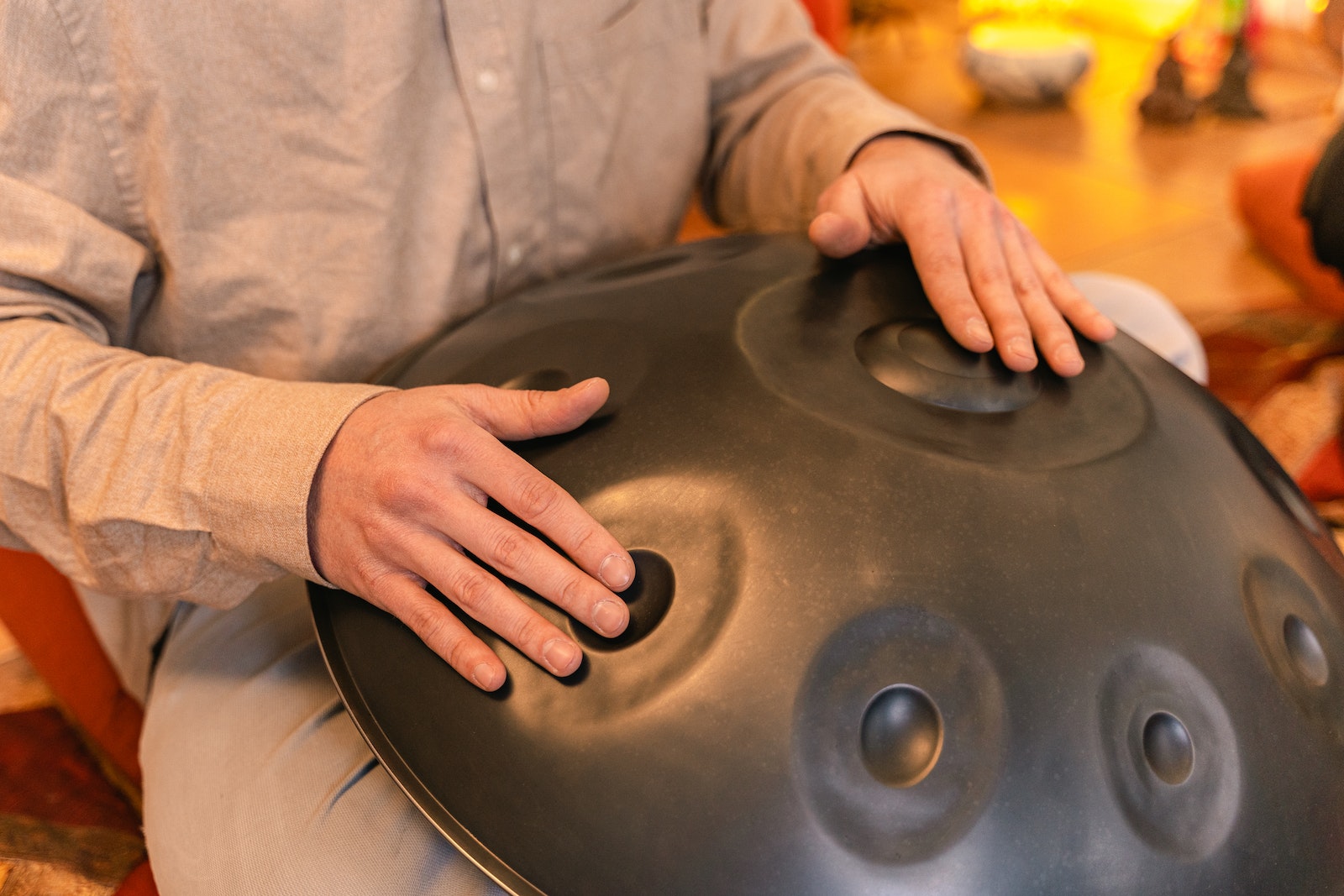
A handpan is constructed from two deep-drawn steel half-shells glued together, creating a hollow hollow resonance chamber inside. The upper shell features a series of precise indentations, known as “notes” or “tone fields”, hammered directly into the metal. These create a ring of tuned vibrating segments that produce different pitches when struck.
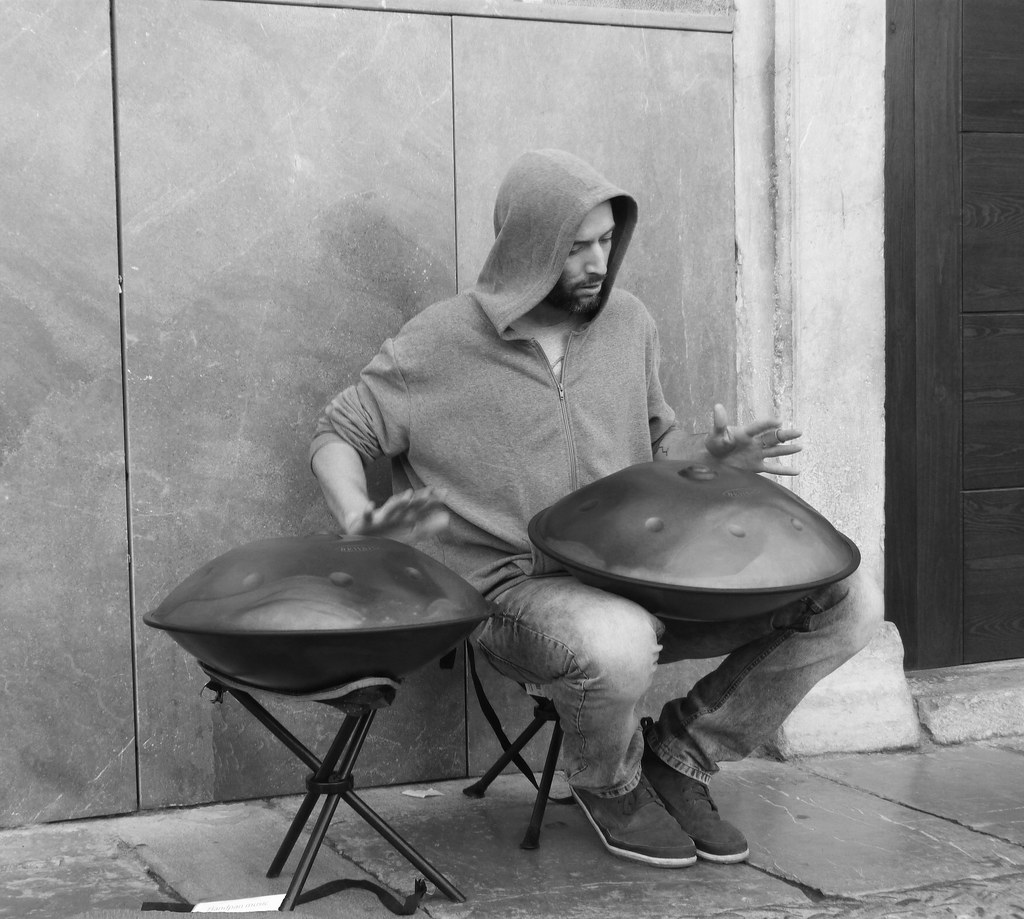
Handpans are played by tapping the note fields with the fingers or hands, yielding a rich, bell-like tone. They are widely utilized in meditation, sound healing, and yoga practices, as well as in live musical performances. While frequently played as a solo instrument, the handpan can also blend beautifully in ensembles alongside other acoustic instruments like guitars and drums.
Because they are handcrafted, incredibly labor-intensive to produce, and require meticulous tuning by a small group of highly skilled artisans around the world, handpans are generally quite expensive and hard to come by.
How Does It Produce Sound?
The handpan generates sound through the physical vibration of metal when struck. The instrument consists of two hardened steel half-shells, typically measuring around 20 to 24 inches in diameter.
The Upper Shell (The “Ding”): Convex in shape, featuring a dominant central note (the Ding) surrounded by a ring of hammered tone fields.
The Lower Shell (The “Gu”): Concave in shape, featuring a tuned circular opening in the center which acts as a sound port.
Each tone field on the top shell is meticulously tuned to a specific pitch. When tapped lightly with a finger or hand, the metal field vibrates, producing a crystal-clear, long-sustaining note. The layout of the handpan’s scale is typically configured to allow musicians to play flowing melodies with their right hand while weaving accompanying harmonies and rhythms with their left hand.
The acoustic signature of a handpan is defined by its rich, warm, and deeply resonant voice—often described as a beautiful hybrid between a Caribbean steel drum, a harp, and a cathedral bell. The unique combination of tuned tone fields, the hollow resonance chamber of the two half-shells, and the open bass port on the bottom all contribute to the handpan’s distinctive sound.
While found in various contemporary musical genres, the handpan is exceptionally well-suited for meditative, ambient, and world music styles. Its warm, comforting resonance establishes a highly relaxing and soothing atmosphere, making it ideal for yoga studios, meditation spaces, and sound therapy practices.
Different Types and Makers of Handpans
There are many types of handpans available today, each crafted by different builders who infuse the instrument with their own unique sonic character and craftsmanship. Here are some of the most notable names and varieties in the handpan world:
The Hang: The original pioneer of the handpan family. Invented by Felix Rohner and Sabina Schärer of PANArt in Switzerland, the Hang has a highly distinct, legendary voice known for its incredibly warm, soft, and mellow tones.
The Halo: A famous American handpan crafted by Dave Beery at Pantheon Steel. The Halo is widely celebrated for its bright, exceptionally clear sound, huge projection, and long-lasting sustain.
The Spacedrum: Created by Metal Sounds in France, the Spacedrum delivers a remarkably pure, clean, and pristine sound profile with a beautiful, engineered balance between its bass and treble registers.
The Bali Steel Pan: Lovingly handcrafted in Bali, Indonesia. This variation delivers a rich, deeply warm acoustic character backed by punchy, robust bass notes and crystal-clear high tones.
The Caisa: A unique design variant manufactured by Meinl Percussion in Germany. It produces a bright, lively, and highly responsive sound with a fantastic range across both low and high frequencies.
The RAV Vast: Engineered by the Russian company RAV Drum. While strictly a steel tongue drum rather than a hammered handpan, it features a highly unique cut-out design that produces deep, massive, cathedral-like bass resonance and bell-like trebles.
The Ayasa: Exceptionally crafted by Ayasa Instruments (originally founded in the Netherlands/India). Known worldwide among professionals for its powerful, incredibly expressive performance and immaculate balance across all octaves.
Conclusion
Ultimately, the handpan is an extraordinary modern instrument that seamlessly blends a hypnotic, entirely unique tonal quality with an immense amount of versatility and creative potential. Its hauntingly beautiful sound profile and highly expressive capabilities have made it a deeply beloved instrument for musicians and music enthusiasts across the globe.